
Author: Alex Van Breedam
Research support: Mangayarkarasi Nagamani
last updated: 27 January 2026

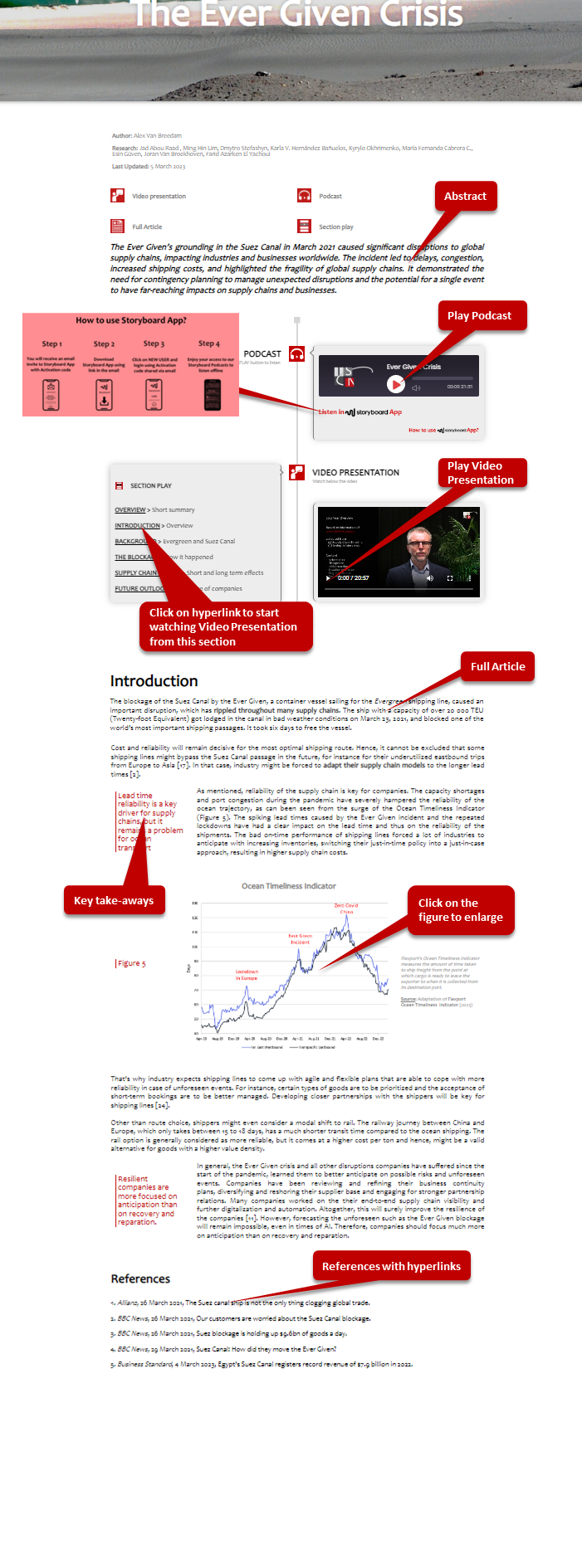
Video presentation

Podcast

Full Article

Section play
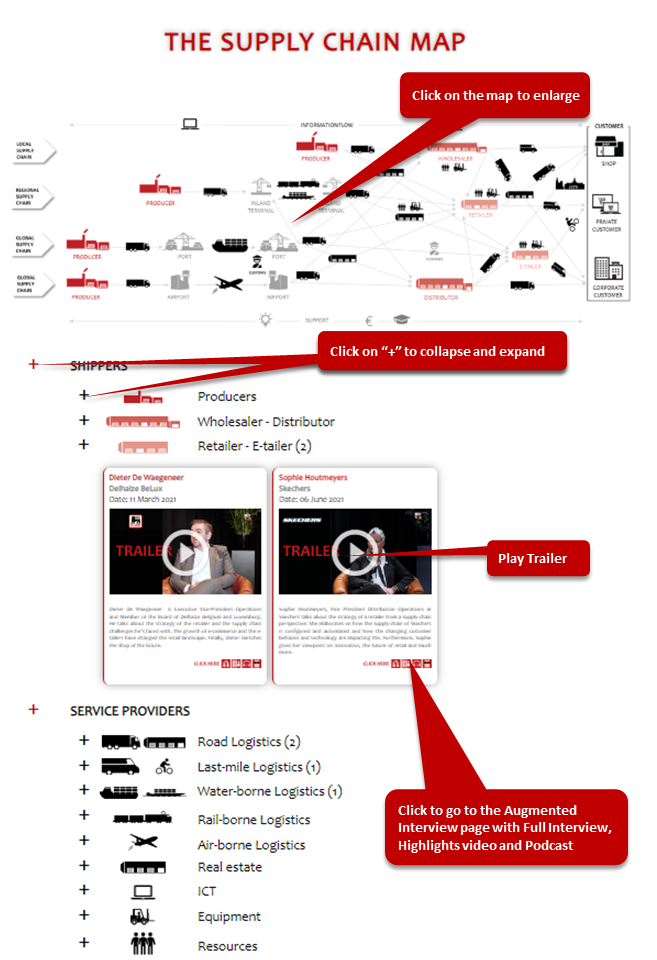
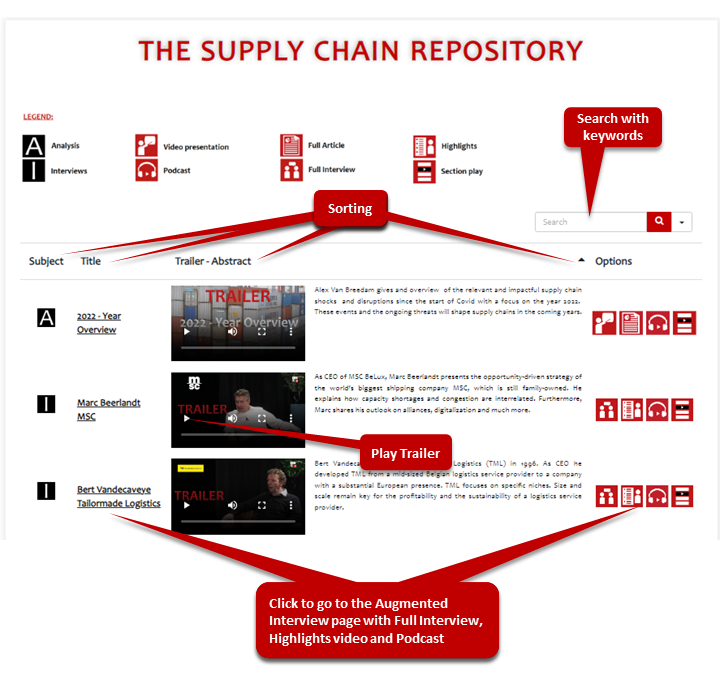
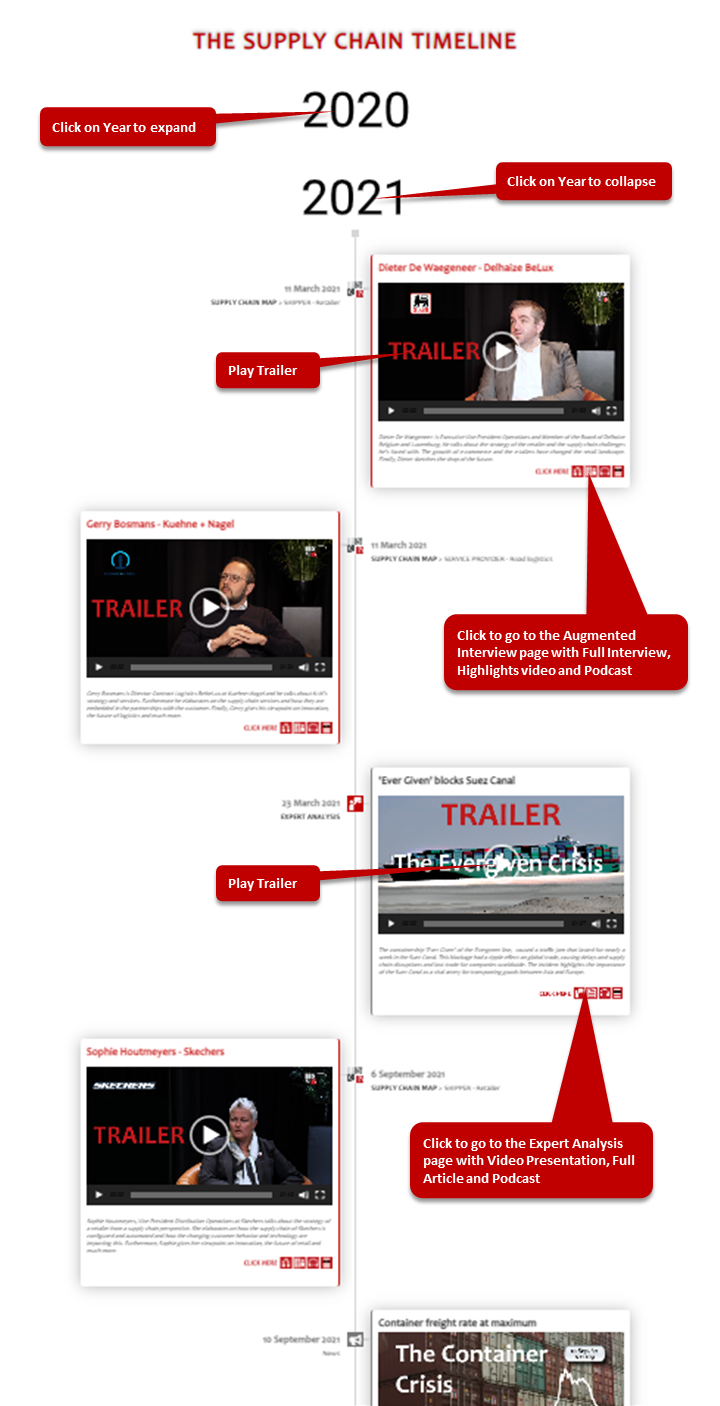
“From 2025 to 2026 – Supply Chains in a World That Refuses to Stabilise” is a concise report based on information published on the ISCN.Academy website with, on the one hand, the unique supply chain timeline with news, analyses and events and, on the other hand, the in-depth interviews held with supply chain professionals.
This masterclass delivers a strategic reading of a world where supply chains have moved beyond temporary disruption into a state of permanent instability. Geopolitics, uneven growth, recurring shocks, climate volatility, capacity constraints, technological shifts, talent shortages, sustainability and regulatory pressures, and rising systemic complexity have become structural forces reshaping how supply chains must be designed, governed, and led. Supply chain leaders must confront an unavoidable truth: resilience is no longer optional—yet it is a strategy, and it inevitably comes at a cost.
“From 2025 to 2026 – Supply Chains in a World That Refuses to Stabilise” comes in various formats, including an easy-to-read article, an engaging podcast and an interactive video presentation.



OVERVIEW > Abstract
INTRODUCTION > Overview
GROWTH > GDP and inflation
GEOPOLITICS > Conflicts, rare minerals, energy and militarization
TARIFFS > U.S. imposing tariffs
CLIMATE > Climate change impact
TECHNOLOGY > AI, automation, digitalization
WORKFORCE > Talent shortages
REGULATION > EU regulation
SUPPLY CHAIN IMPACT > 2025 and outlook 2026
RECOMMENDATIONS > Nine advices for companies
CONCLUSIONS > Closing considerations


Introduction
Geoeconomic confrontation is the primary risk shaping 2026
The first part of the masterclass explores the major drivers of change impacting supply chains. The starting point for identifying these forces is the World Economic Forum’s Global Risks Report 2026, which captures the collective assessment of business leaders worldwide. The report points to an increasingly unstable operating environment where geoeconomic confrontation, rising protectionism, and a retreat from multilateral cooperation intensify disruptions across global value chains. Economic instruments such as tariffs, regulations, and supply chain controls are becoming weaponized, amplifying volatility and raising the risk of a significant contraction in global trade. As geopolitical tensions escalate and crises become more interconnected, supply chains face growing exposure to systemic shocks—making resilience, diversification, and strategic risk management more critical than ever.

Within this first part, the risks with the greatest implications for supply chains have been restructured and consolidated into core drivers that are reshaping global supply networks: Growth, Geopolitics, Tariffs, Workforce, Technology, and Regulation.
The second part of the masterclass examines how these drivers concretely influenced supply chains in 2025, moving beyond risk perception to real operational and strategic impact. It then provides an outlook for 2026, highlighting how these forces are expected to evolve and interact in the coming year.
The final section presents strategic recommendations to help supply chain executives navigate ongoing disruptions and emerging uncertainties in a world that refuses to stabilize in the year ahead.
Growth
Global economic activity—expressed through Gross Domestic Product (GDP)—remains a fundamental driver of supply chain dynamics. To place 2025 in context, analyzing GDP growth and inflation offers a solid macroeconomic foundation. After the post lockdown surge of 2021–2023, when companies expanded capacity to meet exceptional demand, today’s more moderate and stabilized GDP growth points toward structural underutilization of supply chain assets.
GDP growth and Inflation

Growth in 2026 will remain constrained, particularly in Europe
- GDP slowdown. Early‑2025 GDP growth was heavily influenced by frontloading and stockpiling as firms prepared for anticipated tariff increases. For 2026, no further global GDP growth is expected, with forecasts even suggesting a slight decline.
- Eurozone lagging behind. The Eurozone continues to trail the United States and global averages. While cyclical elements play a role, deeper structural factors—including Europe’s extensive regulatory landscape—may be constraining economic dynamism, slowing investment, and limiting responsiveness.
- U.S. inflation lower than expected. Despite extensive tariffs on imported goods, U.S. inflation reached 2.7% in 2025, below many forecasts, and is set to decline further to 2.4% in 2026. Cost absorption, productivity gains, pre‑tariff sales, and shifts in demand appear to have mitigated expected price pressures. Global inflation is also projected to fall to 3.7% in 2026, approaching pre‑pandemic levels.
- Erosion of purchasing power in Europe. In Europe, inflation is outpacing GDP growth, eroding purchasing power. Rising living and operating costs are putting pressure on households, corporate margins, and supply chain operations. Relative to the U.S. and global averages, Europe appears more exposed to this squeeze.
Analysts, including Allianz, have slightly revised GDP projections upward as inflationary pressures ease and demand stabilizes. However, persistent geopolitical tensions and ongoing trade conflicts may still reverse the downward trajectory of inflation, pushing global consumer prices upward.
Figure 3
Expected Global Economic Conditions

The short-term outlook appears cautiously positive, supported by improved business sentiment toward the end of 2025, as highlighted in McKinsey’s December survey. This optimism is reinforced by PMI indices for manufacturing and services in Europe, China, and the United States, all remaining above 50—typically signaling expansion—going into early 2026. Reduced uncertainty following the US–EU trade agreement and the temporary pause in US–China tariff escalation have also strengthened confidence levels. Particularly important will be the rise in China’s services activity, reflecting stronger domestic consumption—a critical engine for global growth in 2026.
Figure 4
Purchasing Managers Index (PMI) 2025 – 2026

Geopolitics
Geopolitics has evolved beyond traditional state‑to‑state conflict and now encompasses strategic competition over energy security, critical minerals, and military power. Together, these forces reshaped global supply chains in 2025 and will remain structural drivers in 2026.
Armed and geopolitical tensions continue to disrupt essential commodity flows, transport routes, and industrial inputs:
- Russia–Ukraine War. Ongoing conflict disrupted agriculture, fertilizers, and metals such as titanium and gallium—pressuring food, automotive, and semiconductor supply chains. Europe continued to face volatility in gas and oil markets due to reduced Russian supply.
- Middle East Conflicts (Gaza, Iran–Israel). Regional instability heightened risks to oil supply and raised freight uncertainty in the Red Sea–Suez corridor.
- South China Sea Tensions. Maritime frictions near Taiwan threatened semiconductor flows and the industries dependent on them.
- US–China Trade War. Although tariff escalation is paused until November 2026, uncertainty persists. China’s dominance in rare earth elements continues to shape global industrial and defense supply chains.
- DRC–Rwanda Conflict. Instability in the cobalt and tantalum rich eastern DRC disrupted the upstream inputs essential for batteries and electronics.
Critical minerals— essential for energy technologies and the broader economy — have become a geopolitical battleground (OECD). In 2025, the International Energy Agency highlighted that global production and demand remain strongly concentrated in China, with only marginal diversification expected this decade. Even when supply appears ample, mineral supply chains remain highly vulnerable to extreme weather, technical failures, and trade disruptions, all of which can trigger cascading effects on prices, industrial competitiveness, and long term sourcing strategies.
As of 2026, copper might become the critical bottleneck of the global energy and digital transitions. While demand is being redefined by artificial intelligence and total electrification, the physical supply chain is increasingly vulnerable to environmental and climate-driven systemic risks (ING 2025).
Figure 5
Production and Demand of Refined Critical Minerals

Top refiner share of energy-related minerals

Energy remains central to geopolitical dynamics, also in the coming years.
- Fossil fuels continue to face disruption risk from regional conflicts, keeping price volatility high.
- Electricity demand—especially from AI, data centers, and electrified industry—will continue to grow, as can be seen from figure 7. Unfortunately, it will grow faster than grid capacity.
- Renewables grew fastest in 2025, especially solar and wind, supported by technology improvements and policy incentives. As a result, CO₂ emissions from electricity generation are forecast to level off in 2025 and decline slightly in 2026, though this could vary with weather and economic conditions (International Energy Agency, World Energy Outlook 2025). Storage capacity expanded at around 21% annually, but grid and storage bottlenecks will limit renewable integration.
- Nuclear energy regained momentum—both large plants and small modular reactors —as countries sought stable, low carbon baseload capacity to support industrial activity WEF (2025).
- Energy efficiency remains a massive untapped opportunity: studies estimate 31% of global energy consumption could be avoided through efficiency measures such as smart grids, AI driven analytics, and demand response systems WEF and PWC (2024).
- Energy infrastructure faces rising exposure to weather extremes, cyberattacks, and deliberate sabotage, making energy resilience an increasingly essential element of supply chain planning.
Energy insecurity and geopolitics will remain intertwined, influencing trade routes, investment decisions, and risk appetite across industries.
Figure 7
Electricity consumption in data centers

The year 2025 marked a clear acceleration in global militarization. Rising defense budgets, prolonged conflicts, and intensifying geopolitical rivalries extended beyond the military domain, creating systemic effects on global supply chains. These were not temporary disruptions but structural shifts influencing sourcing, capacity allocation, costs, and strategic priorities—especially with NATO members signaling commitment to raise defense spending to 5% of GDP by 2035 CNBC (2025).
These may be possible effects on supply chains that could be expected:
- Industrial Capacity Reallocation. Production capacity for metals, chemicals, and electronics may be prioritized for military use, causing shortages and longer lead times for civilian supply chains.
- Pressure on Critical Raw Materials. Defense platforms rely on NATO-listed materials; competition tightens availability and raises costs for energy transition and high tech sectors. The linkage is visible in germanium, where prices have climbed strongly since 2022 on infrared/EO demand.
- Claim on infrastructure and transport. Ports, airports, rail, and airlift near flashpoints may be requisitioned or prioritized for mobilization, crowding out civilian freight and heightening cyber/physical risk to logistics nodes (CSC 2.0, 2025).
- Friendshoring and Bloc-Based Trade. Supply chains may be redesigned around geopolitical alliances, accelerating the shift toward friendshoring and regionalized networks.
- Labor Market Effects. Military mobilization and defense-related employment reduce workforce availability for civilian logistics and manufacturing roles.
- Opportunities for logistics industry. Defense demand expands needs for secure warehousing, specialized handling, and time‑definite lift. Traditional logistics service providers with compliance, security clearances, and dual use capabilities can capture new revenue pools.
While direct 2025 impacts on most civilian chains were still contained, the strategic context has shifted: as defense spending plans harden and procurement ramps, first‑order effects are likely to become visible through 2026, especially in upstream inputs, specialized manufacturing, and time‑sensitive transport capacity.
Tariffs
Tariffs have shifted from episodic disruptions to structural design constraints for global supply chains. In 2025, trade policy became a permanent source of friction, shaping sourcing decisions, cost structures, and network architecture.
Tariffs have introduced a new, unpredictable direction in U.S. trade policy
On Liberation Day (April 2, 2025), the U.S. President introduced unexpectedly broad reciprocal tariffs under the International Emergency Economic Powers Act (IEEPA), imposing a 10% across‑the‑board tariff plus additional duties on steel, aluminum, automobiles, and auto parts. Supreme Court review of the IEEPA-based measures adds legal uncertainty as the industry enters 2026. The U.S. also imposed country‑specific tariffs on 57 nations, prompting global reassessments of market access strategies.
The US imposed a broad 10% tariff across-the-board and country-specific duties on 57 nations. Additional duties were imposed on steel, aluminum, automobile and auto parts.
Between May and September 2025, the U.S. negotiated bilateral agreements with the UK, EU, Japan, Vietnam, Philippines, Indonesia, and South Korea to reduce tariff levels. For the EU, this resulted in a 15% tariff ceiling, with exemptions for cars, semiconductors, pharmaceuticals, and lumber. The EU opted not to retaliate.
Throughout 2025, U.S.–China tensions intensified, with U.S. duties on Chinese imports rising up to 125%, and China responding with export controls on rare earths and other strategic materials. Both sides later agreed to suspend further tariff escalation until 10 November 2026, with the U.S. maintaining a 10% tariff but exempting 178 Chinese products (e.g., solar equipment, industrial components).
Despite reduced U.S. imports, China recorded a $1 trillion trade surplus by the end of 2025, redirecting excess industrial output—especially machinery, electronics, and consumer goods—toward Europe amid weak domestic demand (The New York Times, 2025) .

The impact on supply chains has different perspectives:
- Structural cost inflation across supply chains. Higher landed costs force firms to balance price increases, margin compression, and supply‑chain redesign.
- Accelerated diversification. Sourcing shifts from China to Southeast Asia, India, Mexico, Eastern Europe, and Turkey increased complexity and coordination costs, often without equivalent scale or capability.
- Fragmentated value chains. Many firms now run parallel regional supply chains to comply with diverging trade regimes—duplicating suppliers, tooling, and inventory.
- Heavier compliance burden. Export licenses and shifting trade rules increase the need for robust trade compliance systems, classification reviews and supplier sourcing decisions.
- Inventory and network redesign. Companies raised their inventory levels to hedge against tariff changes or border delays. Depending on the tariffs of final products and components, postponement of the final assembly to end markets could be more beneficial.
- Scenario‑based risk management. Tariffs added a permanent layer of structural uncertainty, making proactive modeling, tariff‑impact simulations, and multi‑route planning essential.
Tariffs have had the strongest impact on industries with globally distributed component supply—most notably automotive, electronics, and machinery, as highlighted by McKinsey & Company (2025). In these sectors, supply chain resilience has become a competitive differentiator, as tariffs now function as a persistent structural cost layer.
Figure 9
Top industries impacted by U.S. Tariffs

With the introduction of country-specific tariffs by the United States—such as in the Greenland case in early 2026—tariffs appear to be increasingly deployed as political instruments, rather than as tools to correct the U.S. trade deficit. In this context, companies are effectively used by the Trump administration to advance political objectives, often with limited economic rationale. As there is no predictability, firms are forced into a reactive posture, leaving little room for proactive anticipation or strategic planning.
Climate
Climate change drives growing volatility, disruption, and cost inflation across supply chains
Climate change has become a structural force reshaping global supply chains and according to business leaders, the major global risk over the next decade (WEF Global Risk Report 2026). Even as some public and private actors scale back their sustainability ambitions, climate driven disruptions—floods, heatwaves, wildfires, storms, and rising sea levels—are now routine and already affecting manufacturing, agriculture, and logistics worldwide.
Economic implications are significant. If global warming exceeds 1.5°C, cumulative global GDP losses could reach 10–20% by 2050, placing sustained pressure on supply chains through rising volatility, disruption, and cost inflation, as depicted in Figure 10.
Figure 10
Estimated GDP losses of climate change in 2050

Climate risks materialize through several interconnected mechanisms:
- Impact on critical infrastructure. Nineteen of the world’s 30 largest ports —accounting for roughly 35% of global throughput—face high exposure to flooding, heatwaves, and sea level rise—many of them in Asia Pacific. These risks threaten port capacity and reliability, causing congestion, rerouting, and cascading global delays. For example, the Port of Colombo closed for three days in November 2025 due to Cyclone Ditwah (Boston Consulting Group,2025).
- Fresh-water constraints. Less than 0.5% of global water is readily available, and one quarter of global crops already face high water-related risk (World Resources Institute, 2024). Meanwhile, industrial water demand continues to rise—AI data centers can use as much cooling water as 1,000 to 50,000 households, depending on size—intensifying competition between agriculture, industry, and cities. (Nick Bowman 2025).
- Systemic supply risks. Climate impacts on upstream resources increasingly threaten downstream industries. PwC (2025) estimates that one third of global semiconductor supply could be at risk within a decade due to climate related disruptions in mining, water availability, and energy supply. As mentioned earlier, copper—critical for semiconductor manufacturing—is particularly exposed.
- Reduced reliability of transport corridors. Floods in Southeast Asia, drought‑restricted waterways like the Rhine, Panama Canal capacity reductions, and repeated climate‑driven disruptions to road, rail, and port access all point to a structural decline in logistics reliability.
Climate change is no longer a future risk—it is already driving operational instability, cost increases, and redesign pressures across global supply chains. Without effective climate mitigation, both the frequency and severity of disruptions will keep rising, making climate resilience a core strategic requirement for supply chain leaders.
Technology
Digital technologies continued to advance in 2025, but results remained uneven. According to PwC (2025), AI (59%) and cloud systems (56%) were the most widely adopted tools, and more than 96% of companies reported that these technologies created value. More advanced solutions such as digital twins were adopted by fewer firms (21%) but delivered strong perceived benefits. At the same time, 92% of companies stated that digital investments had not yet met expectations, largely due to poor system integration and insufficient data quality—highlighting that value emerges from coherent processes and data architectures, not technology alone.
Figure 11
Reason why tech investment missed expectations

After the pandemic surge in digital spending, many organisations slowed large-scale technology investments in 2025 as earlier projects were still maturing. Meanwhile, AI evolved rapidly, Generative AI and agentic AI entering the scene:
- Analytical AI to analyse and remains central to forecasting, inventory optimisation, planning, and risk analysis.
- Generative AI to create content and gained traction in documentation, reporting, supplier communication, and scenario modelling.
- Agentic AI can act autonomously and is introduced autonomy in tasks such as dynamic rerouting and automated procurement.
McKinsey (2025) reported that yet large‑scale deployment remained limited—only about 38% of firms had implemented AI at scale, with most still piloting or planning.
Digital twin technology matured significantly. Fed by real time data, twins enabled end to end visibility, disruption simulation, and strategic scenario testing—shifting from operational tools to strategic decision-support systems in volatile environments.
Within warehousing, the shift toward smart, connected, and automated facilities continued. IoT sensors, cloud-based WMS, and multiple forms of automation (AMRs, AS/RS, cobots, drones, robotic arms, and polyfunctional robots) became increasingly integrated. In high-volume environments such as e commerce, dark warehouses—operating without on-site personnel—gained traction. Omnichannel capabilities, implemented after the pandemic, remained crucial.
Beyond individual technologies, companies increasingly moved toward digital ecosystems that connect suppliers, logistics partners, and customers to coordinate decisions and create value at the network level.
Finally, cybersecurity became a structural constraint on digital supply chains. As systems grow more interconnected and reliant on external partners, the attack surface expands, requiring stronger governance, investment, and cross organisational coordination.
Workforce
Global supply chains continue to face structural talent shortages driven by demographic shifts, tightening immigration policies, and rising skill requirements. Scarcity now affects blue collar, white collar, and digital roles alike, while global mobility increases—23% of skilled workers are actively seeking to move abroad, according to BCG (2025).
In 2025, shortages in critical roles—truck drivers, warehouse staff, procurement specialists, and logistics analysts—created capacity constraints across all transport modes, increasing delays, lead times, and logistics costs.
Predominantly the further automation and integration of AI in the business environment give rise to some shifts in the workforce:
- Skills over roles. Employers increasingly prioritize data-savvy talent with digital competencies and analytics capabilities, rather than hiring based on traditional degrees or predefined roles.
- Automation reducing repetitive tasks. AI, robotics, and automation are replacing many repetitive and administrative activities, reducing demand for entry-level blue-collar positions.
- AI collaboration as a core skill. Most supply‑chain roles now require effective use of AI tools. Hence, logistics—once reliant on low‑educated labor—is now competing directly with other industries for scarce digital talent.
- Flexible work models. Contract, temporary, and gig-based roles are expanding, particularly in planning, procurement projects, and specialized logistics functions (The Chain 2025).
- Supply chain leaders as orchestrators. Managers must integrate people and technology, acting as connectors across the value chain. The role of the supply‑chain leader is also evolving: as AI transforms work, collaboration, adaptability, and collective leadership become distinguishing capabilities. Yet a 2025 Gartner survey shows a capability gap—only 22% of supply‑chain leaders demonstrate the collective, team‑driven behaviors associated with stronger performance.
Regulation
In 2025, regulatory pressure on European supply chains reached a crossroads. While the EU Green Deal remains the definitive roadmap toward climate neutrality by 2050, the launch of the Omnibus package in early 2025 shifted the immediate compliance burden. Designed to maintain EU competitiveness through the Clean Industrial Deal, these reforms prioritized administrative simplification and “stopped the clock” on several high-intensity reporting requirements.
These key regulations were in force or became effective in 2025 (EU)
- Emission Trading System (ETS) Maritime requires shipping companies to purchase allowances for up to 70% of greenhouse gas emission of intra-EU trips, rising from 40% in 2024.
- Carbon Border Adjustment Mechanism (CBAM) requires importers of steel, cement, fertilizers, electricity, and aluminum to report embedded emissions and to increase transparency.
- Corporate Sustainability Reporting Directive (CSRD) requires large companies to publish sustainability reports based on double materiality, i.e. how sustainability issues affect the company (financial materiality) and how the company impacts people and the environment (impact materiality).
- Sector-specific regulations, with new requirements around packaging reduction, low carbon maritime fuels (FuelEU Maritime), battery lifecycle compliance, conflict minerals, and bans on products made with forced labor.
These are major regulations with impact from 2026 onward (EU)
- ETS Maritime requires full coverage of shipping emissions.
- ETS2: Preparations will intensify in 2026 ahead of the system’s launch in 2027, potentially adding 3%–8% to fuel-related costs for transport and warehousing operations.
- CBAM: Importers must become Authorized CBAM Declarants and begin purchasing certificates in 2027 to cover 2026 emissions.
- CSRD: reporting by mid-size companies and non-EU parent companies will start in 2028.
- EU Deforestration: postponed the due-diligence enforcement to late-2026.
- EU Circular Economy Act: Introduction of the Digital Product Passport Registry and bans on destroying unsold textiles and footwear, reinforcing circular supply chain design.
- Corporate Sustainability Due Diligence Directive (CSDDD): requires companies to implement supply chain due diligence and risk-mapping systems, conducting human rights and environmental impact assessments, setting climate transition plans aligned with the Paris Agreement, and adopting grievance mechanisms with guidelines issued in 2026 for the formal start in 2028.
- EU Customs Reform & Parcel Levy: As part of broader customs modernisation, a €3 parcel levy on low-value (<€150) e-commerce imports is moving toward implementation, aiming to level the playing field with non-EU e-tailers.
Regulation is now a core design constraint for global supply chains
By 2025, regulation could no longer be treated as a box-ticking administrative exercise. Instead, it has become a structural driver of cost, risk, and network design. Leading supply-chain organisations now leverage verified sustainability and traceability data as a competitive differentiator—supporting greener logistics, improving access to capital and customers, and securing preferred partner status in an increasingly transparent and regulated global market.
Supply Chain Impact
This chapter examines the concrete effects of the major drivers outlined earlier—focusing on environmental volatility, resilience requirements, cost dynamics, and logistics system shifts. These four dimensions proved to be the most visibly and consistently affected by the drivers described in the first part of this masterclass.
Volatilty
Supply chain volatility increased noticeably in 2025, especially in the second half of the year as U.S. tariffs came into force. This pattern is visible across the major global supply chain indicators.
Figure 12

The Global Supply Chain Pressure Index (GSCPI), published by the Federal Reserve Bank of New York, aggregates multiple logistics and manufacturing indicators. After easing steadily since 2023 onward, the index climbed again in late 2025. The sharp rise toward December reflects frontloading and stockpiling, tighter buffers, inventory repositioning, and adjusted sourcing strategies in anticipation of U.S. tariff uncertainty. December 2025 recorded the highest level of strain since early 2023, pointing to renewed global supply‑chain stress.
Figure 13
Global Supply Chain Volatility Index

The Global Supply Chain Volatility Index (SCVI) which tracks capacity utilization, showed persistent underutilization throughout 2025. This reflected softening demand, the absence of major supplier disruptions, and stockpiling behaviors driven by price and tariff uncertainty. By year end, U.S. and EU patterns suggested further softening ahead, as firms cut purchases and inventories in expectation of weaker demand in early 2026. Excess capacity across global supply chains is giving buyers leverage to secure better pricing and terms.
A return to ‘normal’ volatility is unlikely. Persistent geopolitical uncertainty, tariff related adjustments, and economic headwinds mean that supply chains will continue to operate in a state of elevated volatility and continuous adaptation throughout 2026.
Resilience
The most effective response to rising volatility in 2025 was a renewed focus on supply chain resilience. Companies have been investing in resilience since the COVID 19 crisis, yet progress remains uneven.
According to Oliver Wyman (2025), 80% of U.S. and European firms across nine industries claim to be highly resilient and believe they have invested sufficiently. At the same time, two thirds shifted spending away from comprehensive resilience programs toward fragmented, tactical initiatives, weakening long term impact.
Figure 14
Changes in supply chain resilience budget

Figure 15
Likelihood of having a comprehensive supply chain strategy

Despite this confidence, 65% of surveyed firms still consider themselves “vulnerable to very vulnerable” to future risks. They acknowledge the need for a more structured and lasting approach—strengthening proactive scenario planning, improving end to end visibility, and diversifying sourcing beyond heavy regionalization.
Figure 16
Key levers to enhance supply chain resilience

In 2025, the most common resilience levers included sourcing diversification, AI driven demand planning, and enhanced visibility and analytics. Many companies also relied on inventory build ups to buffer against tariffs and potential shortages. Reshoring and broader supplier diversification ranked lower among practical measures actually implemented.
McKinsey (2025) confirms this pattern: 82% of companies were affected by tariffs and prepared or implemented countermeasures, with inventory build ups serving as their primary resilience response to tariffs rather than more structural nearshoring or diversification. Cleo (2025) further notes that by the end of 2025, over two thirds of companies had diversified their supply chain partners, with 57% of those partners located domestically.
Figure 17
Countermeasures to reduce tariff impact on supply chains

Another notable observation is that two tier supply chain visibility has declined back to 2022 levels, partly due to the slowdown in digitalization investments. Supply chain leaders remain concerned about visibility gaps over the next five years
Figure 18
Supply Chain Transparency Across Supplier Tiers

Regarding reindustrialization and reshoring, Capgemini (2025) reports that 73% of companies expect friendshoring to account for a rising share of their sourcing and production, increasing from 37% today to 41% within three years. Moreover, 82% expect to reduce reliance on China, shifting activities toward the U.S., UK, Canada, Mexico, and Vietnam. Major reasons to reshore include too much supply chain pressure and disruptions, too far away from the customer and the increased geopolitical risks.
Figure 19
Percentage companies planning to increase investments to these regions and major reasons to reshore

It should be noted that reshoring from China does not necessarily imply a loss of Chinese industrial influence. Instead, production capacity is being redistributed across Southeast Asia, India, and Mexico—often under Chinese ownership or strategic control. This emerging ‘China outside China’ network preserves deep links to Chinese industrial ecosystems, meaning that true diversification now requires visibility into ownership and control structures, not merely geographic location (GEP 2025).
Supply Chain Cost
Throughout 2025, supply chain costs continued to rise across most industries. Tariffs were the single largest cost driver: 39% of companies experienced increased supplier and raw material costs, 29% faced higher production costs, and 24% reported rising distribution expenses.
Figure 20
Share of supply chain baseline impacted by 2025 global tariffs

Companies’ ability to pass these cost increases on to customers remained limited. On average, only one in five firms fully passed through tariff related increases. Around half managed to transfer at least 60% of the additional costs, with wide variation depending on market structure, pricing power, and competitive intensity. Cost pass through is also dynamic: many companies delay price increases for strategic or competitive reasons. The figure 21 provides a tabular overview per sector.
Figure 21
Share of tariff costs passed through to customers

A survey of ASCM and CNBC (2026) reported that 65% of companies experienced a 10–15% rise in supply chain costs. This translated into significant workforce reductions: 32% of U.S. supply chain managers cut more than 1.2 million jobs in 2025—a 58% increase compared with 2024. Much of this downsizing is attributed to the unpredictability created by the ongoing tariff volatility.
Beyond tariffs, investments in supply chain resilience were another major cost driver in 2025. Key levers included:
- Higher inventory levels, requiring additional working capital and increasing storage and obsolescence costs.
- Dual or multi-sourcing, enhancing flexibility but adding structural procurement and supplier management costs.
- Enhanced visibility, driving further digitalisation investments, such as advanced planning systems, data integration and sensor technologies.
- Reindustrialisation and nearshoring, which demand higher capital expenditure, labour costs, energy consumption, and more expensive raw materials.
Supply chain leaders anticipate these cost drivers to continue increasing into 2026. In response, companies are focusing on logistics and operational efficiency as their primary mechanism to offset rising expenses, which in turn places additional pressure on logistics performance and budgets. As shown in Figure 22, logistics and supply chain operations stand out as the only cost category expected to decrease over the next three years.
Figure 22
Expected cost changes from reindustrialization (next 3 years)

Logistics
The cost pressure on logistics and supply chain operations remained high throughout 2025. For the logistics industry, the year was marked by persistent structural pressure—most notably in road transport—while contract logistics saw moderate growth of 4% to €307.5 billion driven by rising operational complexity rather than volume increases.
This expansion was structural rather than cyclical, fueled by continued outsourcing of warehousing and fulfilment, increasing omnichannel complexity, and rising demand for value added services. These trends favored larger, integrated logistics providers able to manage multi channel complexity and offer broader service portfolios.
Figure 23

In warehousing, market conditions softened further in 2025. Vacancy rates increased from 5.0% to 5.5%, as net absorption continued to lag behind new completions (CBRE Research 2026). Demand remained positive—particularly for modern, automated facilities—but overall take up was insufficient to absorb the additional capacity coming online (Figure 24). Warehouse take-up is expected to grow only modestly in 2026, with a return to positive net absorption more likely in 2027.
At the same time, warehouses were required to support faster order cycles, omnichannel fulfilment, higher return volumes, and more advanced inventory segmentation. These operational demands accelerated the shift toward automation, smart WMS platforms, and flexible space configurations, further strengthening the position of advanced logistics operators over traditional storage focused service providers.
Figure 24
Evolution of European logistics real estate

The last section of the supply chain considered is transport, with a particular focus on road and ocean freight. In 2025, road freight volumes in the EU grew only modestly, totaling 1.1% growth in terms of revenue. Rate developments show a decline of spot rates during the second half of the year due to insufficient volume.
Figure 25
Evolution of contract and spot indices for European road freight transport

This easing of capacity in the second half of year is also visible in the Timocom capacity barometer. Although capacity utilisation does not appear dramatically low, the sharp rise in bankruptcies among trucking companies—especially from Q2 2025 onward—offsets part of the volume decline. EU road transport became one of the three sectors with the highest number of bankruptcies, reaching levels not seen since the pandemic in several EU countries, including Belgium (ITLB, 2025). Many operators were unable to absorb rising wage costs, high fuel prices, and increasing energy transition related investments.

Despite policy ambition, the energy transition in road transport progressed slowly. In 2025, 93.5% of EU trucks still ran on diesel, with alternatively powered vehicles remaining marginal: 3.8% battery electric and 2.7% natural gas (European Alternative Fuels Observatory, 2025). New diesel truck registrations fell nearly 10% in 2025, but only battery electric trucks showed consistent growth. To meet the EU’s 2030 CO₂ targets, Europe will need around 400,000 zero-emission trucks by the end of the decade—meaning that one in three new trucks sold annually must be zero-emission (ACEA , 2025). While manufacturers are already delivering vehicles, infrastructure readiness, grid capacity, charging availability, and cost competitiveness remain insufficient. Without urgent action, the EU risks missing its targets.
Labour availability remained one of the most critical bottlenecks. By 2024, more than 426,000 truck driver positions—around 11.2% of total demand—were unfilled across the EU, and this shortage is expected to double by 2028 (Logistics Business, 2025). Unlike warehousing, where automation can partially mitigate labour gaps, long distance trucking currently has no scalable alternative to human drivers.
Tariffs drove structural changes in ocean freight flows
Global containerized ocean freight volumes grew by approximately 4.4% in 2025 (Vizion, 2025), but growth was uneven. The introduction and anticipation of U.S. tariffs triggered heavy frontloading in the first half of the year, followed by significantly weaker volumes in the second half (Figure 27). Trade flows also shifted in 2025. Chinese exports to the US declined, while exports to Europe and other regions increased. Combined with US tariff policies, this led to greater imbalance between demand and available capacity on East–West routes, particularly on transpacific lanes, where declining US imports reduced utilization levels.
Figure 27
Global containerized ocean freight volumes 2024-2025

← Click on figure to enlarge
Source: Freightos (2025)
Freight rates followed a similar, volatile pattern. The Drewry World Container Index (Figure 28) shows rate spikes in the first half of 2025 due to frontloading and temporary capacity tightness, followed by rate declines as demand softened and capacity normalised.

Early 2025 also saw operational disruptions caused by the launch of new shipping alliances. The debut of the Gemini Cooperation (Maersk–Hapag-Lloyd) and the Premier Alliance led to temporary congestion, schedule instability (Figure 29), and port delays as networks were redesigned.
Figure 29
Ocean Freight schedule reliability

Ocean-container overcapacity is looming in 2026
Throughout 2025, the continued avoidance of the Suez Canal had a major structural impact on ocean freight. The detour via the Cape of Good Hope requires roughly 7% additional global vessel capacity as it needs around 30% longer transit times, 45% higher emissions and 35% higher operating costs, mainly driven by fuel consumption, crew costs, and EU ETS charges (DHL Ocean Freight Market Update 2025) to maintain service levels. This additional capacity demand helped absorb fleet growth in 2025 and prevented immediate overcapacity or too high underutilization despite weak demand in the second half of the year.

While 2025 did not yet experience structural overcapacity, the risk of overcapacity is clearly increasing. A substantial volume of new vessels is scheduled to enter the fleet in the coming years, while demand growth remains uncertain and increasingly regional rather than global.
The outlook for ocean freight in 2026 is challenging rather than favourable:
- Overcapacity risks. 3% demand growth versus 3,6% fleet capacity expansion.
- Shifting trade patterns. East–West traffic may weaken further due to tariffs and reshoring initiatives, while Asia–Europe, Intra-Asia, and South-South trade are expected to grow.
- Reuse of Suez Canal. A mid 2026 reactivation would first trigger temporary port congestion but later release 7–10% capacity—creating structural overcapacity.
- EU ETS expansion. 100% of maritime emissions will be covered (up from 70%), adding 35–50% more ETS related costs.
- Port capacity constraints. Port handling capacity is growing more slowly than fleet capacity, increasing waiting times and requiring ~2% additional vessel capacity to maintain schedules (Hapag Lloyd 2025).
Air freight will continue to act as a buffer against ocean‑freight unpredictability, especially for fast‑moving consumer goods, fashion, and e‑commerce. In 2025, air cargo volumes were supported by strong Asia‑driven export growth and spillover from severe ocean congestion and schedule instability, which pushed urgent shipments into the air. Despite geopolitical tensions and tariff shocks, e‑commerce adaptation and diversified sourcing helped keep air‑cargo flows stable—particularly on Asia–Europe and intra‑Asia lanes.
For 2026, global air‑cargo volumes are forecast to grow modestly by around 2–3%, driven by ongoing supply‑chain diversification and the gradual re‑use of the Suez Canal by container carriers, although tempered by weaker e‑commerce momentum.
Even with more fragmented e‑commerce growth and the introduction of the €3 EU Parcel Levy, parcel and last‑mile distribution will continue reshaping logistics networks—fueled by persistent consumer expectations for speed and reliability.
Recommendations
# 1 – Treat supply chains as a board‑level strategic asset
Govern supply chains as a strategic asset, not an operational function. In unstable environments, supply chain performance is increasingly determined by decision speed, escalation clarity, and governance quality. Many organizations still rely on fragmented decision rights, slow approval cycles, and unclear ownership in times of disruption. Companies should elevate supply chain governance to the executive and board level, with clear decision frameworks, predefined trade-off rules, and crisis-mode operating models. The ability to make fast, aligned decisions under uncertainty will be crucial.
#2 – Resilience must be designed, not improvised
Move from fragmented fixes to an integrated resilience strategy. Stop chasing the latest disruption with isolated initiatives. Supply chain resilience is not a collection of ad hoc buffers or symbolic nearshoring moves—it is a structural capability requiring deliberate choices on design, governance, and optionality. Companies that embed resilience into the architecture of their supply chains will outperform those reacting crisis by crisis.
#3 – Optimize resilience—don’t overspend on it
Manage resilience through a “cost-of-resilience” operating model. Resilience should be optimized, not maximized. Leaders will pursue the highest feasible resilience at competitive cost, preserving margins and market share (BCG, 2025). The financialization of resilience is accelerating: capital flows increasingly toward the most fragile nodes in global networks. Companies that combine physical measures with financial instruments can turn resilience from a cost of doing business into a measurable source of value.
#4 – Operate multiple sourcing networks in multiple ecosystems
Operate multiple sourcing networks and participate in ecosystems. A single global supply chain is becoming unrealistic for geopolitically exposed companies. The future lies in multiple sourcing networks with built in redundancy and optionality. This may involve intermediaries, shared capacity, joint ventures, or contract manufacturing. As geopolitical blocs harden, more companies will be forced to duplicate parts of their networks. Ecosystem based models and contract manufacturing will be essential to limit capital expenditure.
#5 – Build a sensing, forecasting, and adapting organization
Build a company that continuously senses, forecasts, and adapts. Companies must evolve into organizations that continuously sense change, forecast its impact, and adapt accordingly. Operational risk frameworks should be expanded to include structural risk drivers, such as growth volatility, geopolitics, climate change, talent availability, regulation, energy, technology, and tariffs. These drivers should become explicit design constraints for scenario planning, risk management, network design, sourcing strategies, infrastructure investments, and performance management. Companies should develop decision intelligence to translate signals into actions, supported by scenario modelling.
To monitor and adapt supply chains, supply chain leaders should rebalance performance management toward metrics that reflect robustness, recoverability, and reliability—such as time-to-recover, adherence to promise, scenario resilience, and ecosystem performance.
#6 – Partnership beats price pressure in volatile markets
Partner up, don’t squeeze down. Volatile years have demonstrated that coordination outperforms confrontation. Strong partnerships with carriers, suppliers, and ecosystem players prove more effective than tactical cost squeezing. Looking ahead to 2026—likely a buyers’ market—organizations should prioritize long term agreements with transparent, index based pricing rather than repeated short term tenders. Spot contracts should serve flexibility, not aggressive price pressure. Over time, strong partnerships yield more reliable operations at the lowest sustainable cost.
#7 – The future workforce is human + digital + flexible
Design the workforce around collaboration between talent and technology. Volatile markets require a workforce that is flexible, resilient, and hybrid by design—combining blue-collar, white-collar, and digital talent. Roles, rather than functions, must be adaptable, and capacity scalable.
The collaboration between human talent and technology—warehouse automation, robotics, cobotics, and AI agents—will be central to this flexibility. Supply chain leaders must increasingly act as orchestrators, managing a dynamic ecosystem of people and technologies rather than a static organizational chart.
#8 – Compliance and sustainability are strategic, not administrative
Get ahead of compliance and sustainability. Regulation—particularly in Europe—is becoming a structural design constraint for supply chains. Compliance can no longer be treated as administrative overhead; non-compliance directly threatens continuity and market access. Companies that move early can use regulation as a catalyst for innovation and competitive advantage. Those who lag will face higher taxes, rising compliance costs, and administrative complexity—often with immediate operational impact. Increasingly, the ability to integrate compliance, resilience, and performance will separate leaders from laggards.
#9 – Reliability and elasticity—not speed—is the new logistics advantage
Prioritize reliability over flexibility in logistics. In logistics, flexibility is often mistaken for reliability. Reliability means delivering when promised—not delivering faster. Changing consumer behavior has led to more frequent orders, smaller shipments, lower fill rates, and rising transport capacity requirements. Unless the system shifts from a “taxi-based” model to a “bus-based” model—fixed, reliable, scheduled transport— logistics emissions and broader societal impacts will continue to escalate. This transition requires ecosystem thinking: companies must be willing to share capacity, align planning horizons, and leverage platform technologies that enable more elastic, rather than merely flexible, logistics networks. Elastic logistics networks reward discipline, coordination, and trust—rather than speed at any cost.
Conclusions
The world has never been more connected, yet supply chains operate in an environment that is increasingly fragmented by geopolitics, technology, regulation, and climate constraints. They have become instruments of power—indeed, weaponized—shaped by access to critical minerals, tariff battles, and growing militarization. Nations with resources now use them strategically, while those without face rising vulnerability.
For companies, this makes supply chain management more critical than ever. In the post pandemic era, it has become a structural boardroom function—and it will remain there. Supply chain leaders cannot afford to be trapped in constant reaction mode, responding to shocks that undermine planning, investment, and confidence. They must operate within a resilience framework that allows them to withstand increasing volatility.
To succeed, companies must fight volatility with velocity: not only moving faster, but making smarter decisions—supported by visibility, optionality, and disciplined governance. In a world that refuses to stabilise, supply chains must be designed to combine cost, resilience, and value creation—capable of performing under “geoeconomics,” where geopolitical friction, climate pressures, policy shifts, workforce shortages, regulation and technological change shape every network.
The companies that adapt now—strategically, intelligently, and proactively—will not only withstand disruption but turn uncertainty into competitive advantage.
References
ACEA (2025), Decarbonising heavy-duty road transport: State of the enabling conditions
Allianz (2025), Economic outlook Allianz Research 17 December 2025 2026-27: Stretching the limits
ASCM (2026), ASCM-CNBC Research Shows the Cost of Tariffs on Supply Chain Jobs
BCG (2025), Balancing Cost and Resilience: The New Supply Chain Challenge
BCG (2025), Landing the Economic Case for Climate Action with Decision Makers
CBRE Reseach (2026), 2026 European Real Estate Market Outlook
Capgemini Research Institute (2025), Reindustrialization strategies in Europe and the US
Cleo (2025), Global Supply Chain Executive Report: How Business Leaders Are Reinventing Operations to Meet Rising Demands
CNBC (2025), NATO allies agree to higher 5% defense spending target
CSC 2.0 (2025), Military Mobility Depends on Secure Critical Infrastructure
DHL Global Forwarding, Ocean Freight Market Update: December 2025
Drewry (2025), World Container Index
Europe Commission (2026), European Alternative Fuels Observatory
Europe Commission (2026), Press Releases
Federal Reserve Bank of New York (2026), Global Supply Chain Pressure Index
GEP (2025), GEP Outlook 2026 – Procurement & Supply chain
GEP, S& P Global PMI (2026), Global Supply Chain Volatility Index
Gartner (2025), Supply Chain Today, CEO tomorrow
Hapag Llloyd (2025), Investor Presentation: H1 2025 Results
ING (2025), Copper upside building on tight supply
International Energy Agency (2025), Global Critical Minerals Outlook 2025
International Energy Agency (2025), World Energy Outlook
International Monetary Fund (2026), World economic outlook
ITLB (2025)
J. Manners-Bell (2025), Policy proposals for building supply chain resilience, delivering sustainable growth and embracing economic opportunities
Logistics Business (2025), Europe’s Driver Shortage Demands Long-Term Strategy
McKinsey & Company (2025), The state of AI in 2025: Agents, innovation, and transformation
McKinsey & Company (2025), Supply chain risk pulse 2025: Tariffs reshuffle global trade priorities
McKinsey & Company (2025), Economic conditions outlook, December 2025
McKinsey & Company (2026), Decoding disruption to reshape manufacturing footprints
NATO (2024), NATO releases list of 12 defence-critical raw materials
Nick Bowman (2025), How Water Risk is Threatening the World’s Supply Chains
OECD (2025), Economic Security in a Changing World
Oliver Wyman (2025), Navigating Supply Chain Resilience Through An Uncertain Future
PwC (2025), PwC’s 2025 Digital Trends in Operations Survey
Sea Intelligence (2025), Global schedule reliability drops to 61.4% in October 2025
Sea Intelligence (2025), The coming overcapacity to peak in 2027
Supply Chain Brain (2025), How Water Risk is Threatening the World’s Supply Chains
The Chain (2025), Why the 2025 Supply Chain Job Market is Tougher Than Ever
The New, York Times (2025), China’s Trade Surplus Climbs Past $1 Trillion for First Time
Timocom (2025), The TIMOCOM transport barometer
Trading Economics (2025), China Manufacturing Index PMI
Trading Economics (2025), China Non Manufacturing Index PMI
Trading Economics (2025), Euro Area Manufacturing Index PMI
Trading Economics (2025), Euro Area Service Index PMI
Trading Economics (2025), United States Manufacturing Index PMI
Trading Economics (2025), United States Service Index PMI
Transport Intelligence (2025), Global Contract Logistics Market Size & Forecasting: 2024-2028
Upply (2025), 2025 review of road transport in Europe
Vizion (2025), Global Container Trade: 2025 Performance Review and 2026 Forecasts
Whitehouse.gov, Encyclopædia Britannica, Inc. (2025), List of U.S. import tariffs by country
World Economic Forum (2026), Global Risks Report 2026
World Economic Forum (2025), 6 shifts reshaping global energy markets
World Economic Forum (2024), This overlooked solution can unlock abundant and affordable clean energy
World Resource Institute (2024), One-quarter of world’s Crops threatened by water risks